Leak Detection in Anchorage, AK
Hidden water leaks, slab leaks and burst pipes across Anchorage and Anchorage Municipality. Connect with a local specialist who can find the source before anything is opened up.
Call (888) 239-9523Leak Detection in Anchorage, Alaska
Anchorage's plumbing has to survive seismic activity, deep frost and long winters. Frost depth can exceed six feet, and service lines buried too shallow or insulated poorly are at risk every year. The city's housing stock includes a large share of homes built during the 1970s and 1980s oil boom, now well into the age where pipes and fittings fail.
Snowmelt and spring thaw move the ground, and earthquakes — even small ones — can shift buried lines. Inside, heating systems, humidifiers and exterior hose bibs are common leak points. Because the ground stays cold, a leak may surface months after it starts.
Leak Services in Anchorage

Hidden Water Leak Detection
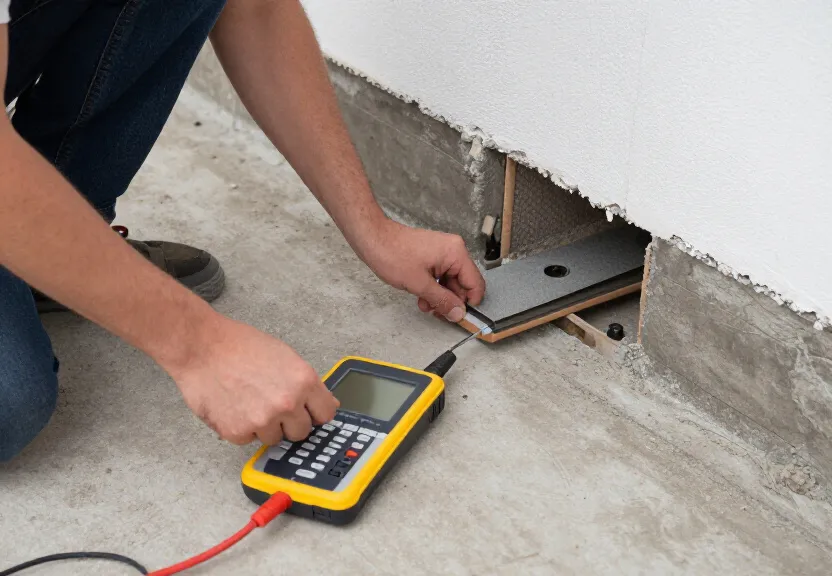
Acoustic listening, thermal imaging and moisture meters locate leaks behind walls, under cabinets and beneath floors without exploratory demolition.
Slab Leak Detection
Warm floors, a climbing water bill or a damp slab edge can mean a leak under the foundation. Pressure isolation and thermal imaging pinpoint it before concrete is opened.

Burst Pipe & Emergency Repair
Active leaks get worse by the hour. Call the 24/7 line for shut-off guidance and a connection to the nearest available specialist.
More Leak Services in Anchorage
Main Water Line Leaks
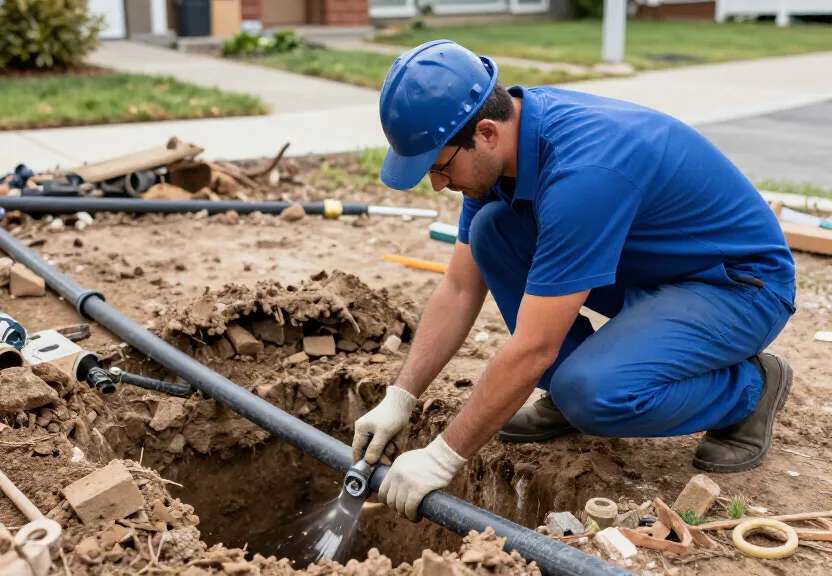
Wet patches in the yard or a meter that never stops moving often point to the service line between the street and the house.
Water line repair →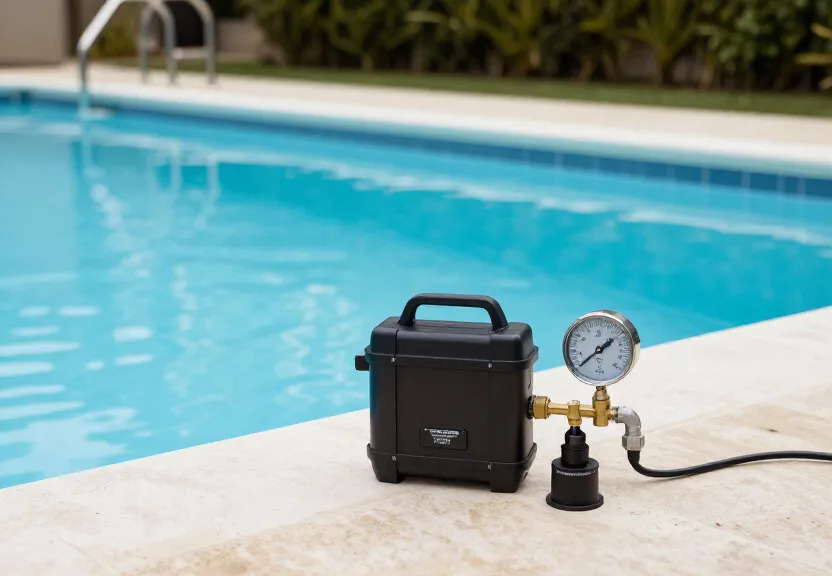
Pool & Spa Leaks
Losing more than a quarter inch of water a day? Pressure and dye testing separate evaporation from a real plumbing leak.
Pool leak detection →
24/7 Emergency Service
Water damage compounds overnight. The phone line is answered around the clock, including weekends and holidays.
Call (888) 239-9523 →Leak Detection Advice for Anchorage Homeowners
In older neighborhoods such as Spenard, Turnagain and Mountain View, galvanized and early copper lines are common. In Eagle River and the Hillside, long private service lines and freeze protection matter more than slab leaks.
An Anchorage leak often shows up as ice buildup on a foundation vent, a sudden spike in the water bill, or a soft spot in the yard after breakup. If you see ice forming where it shouldn't, investigate before spring.
Anchorage Leak Detection Questions
Frost penetrates deeply and can heave the ground, shifting or crushing lines that are not buried below the frost line. Older installations that met code decades ago may no longer be deep enough.
Yes. Ground shaking can crack rigid pipes and separate joints, especially at the point where the service line enters the foundation. Damage may not be visible until the next billing cycle.
Ice there often means warm, moist air is escaping from the crawlspace — sometimes from a plumbing leak or a heating system issue. It is worth investigating before spring thaw.
Shut off the water if you suspect a split, then thaw slowly with warm air. Never use an open flame. Call a specialist if you cannot reach the frozen section safely.
The line is answered 24/7, but winter travel and road conditions affect arrival times. Active leaks are prioritized and shut-off guidance is available by phone while you wait.