Find the Leak Without Wrecking the House
Hidden water leaks, slab leaks, burst pipes and underground line failures — located with acoustic, thermal and pressure-testing equipment before anything is opened up.
Call (888) 538-0664Six Leak Problems, One Phone Call
Each leak type needs a different detection method. Tell us what you're seeing and we'll route you to a specialist with the right equipment.
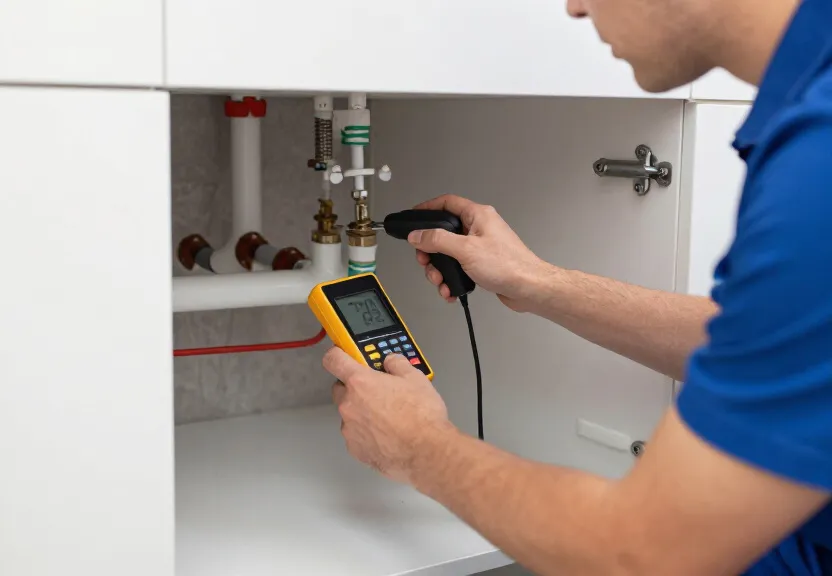
Water Leak Detection
Hidden leaks behind walls, under cabinets and beneath floors are located with acoustic listening devices, thermal imaging cameras and electronic moisture meters. The goal is a precise point location, not an exploratory hole.
Common signs you need leak detection:
- Water bill rising without extra usage
- Running water sound when fixtures are off
- Damp patches, stains or bubbling paint
- Musty smell or mold at baseboards
- Warm spots on a hard floor
- Water meter moving with everything shut off
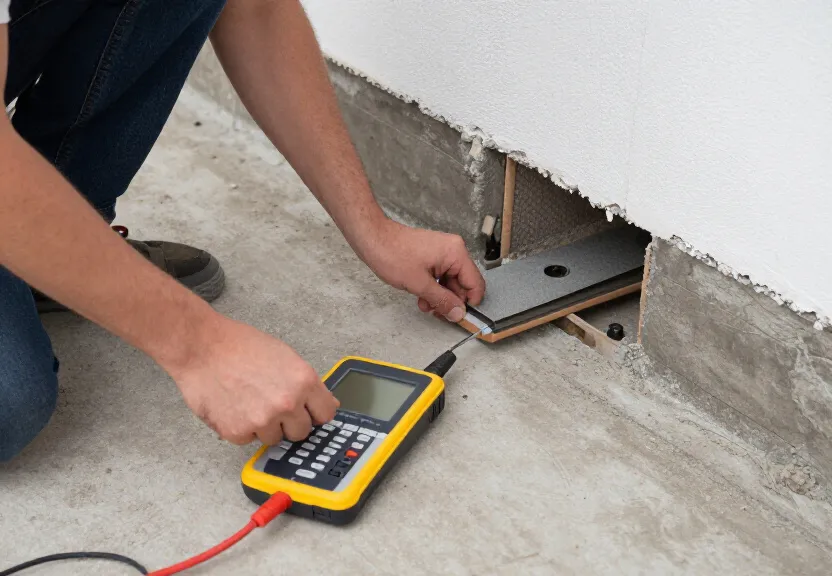
Slab Leak Detection
Homes on concrete slabs hide plumbing beneath the floor. Specialists isolate hot and cold lines, listen through the slab and compare temperature readings to locate the failure without breaking concrete first.
Slab leak warning signs:
- Warm areas on tile or vinyl flooring
- Foundation cracks appearing suddenly
- Water bill climbing month over month
- Sound of water under the floor
- Damp carpet edges or swollen baseboards
- Pressure dropping when one fixture runs
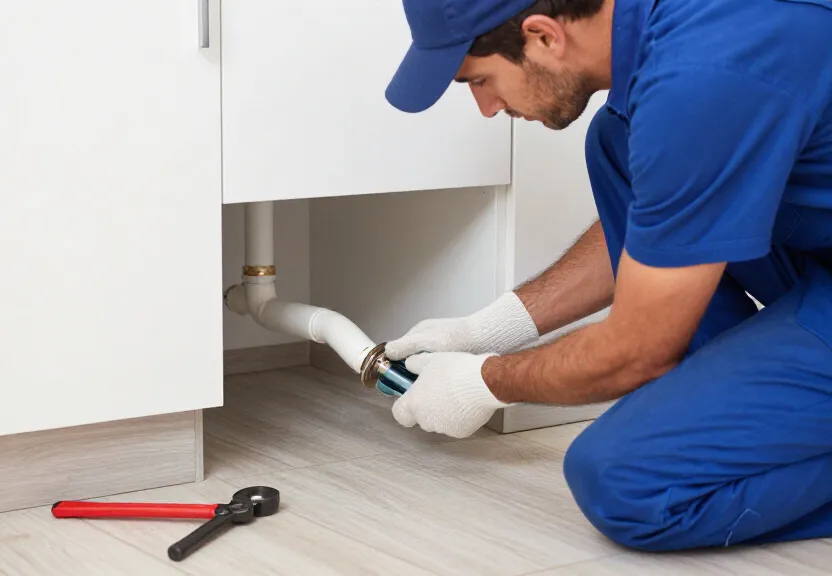
Burst Pipe Repair
A burst pipe can release hundreds of gallons before the water is shut off. Emergency help starts with stopping the flow, then isolating the break and planning a repair that matches the pipe material.
What to do when a pipe bursts:
- Shut off the main water valve immediately
- Switch off power to flooded areas if safe
- Move furniture and valuables clear
- Photograph the damage for insurance
- Call for emergency repair
- Avoid electrical appliances in standing water
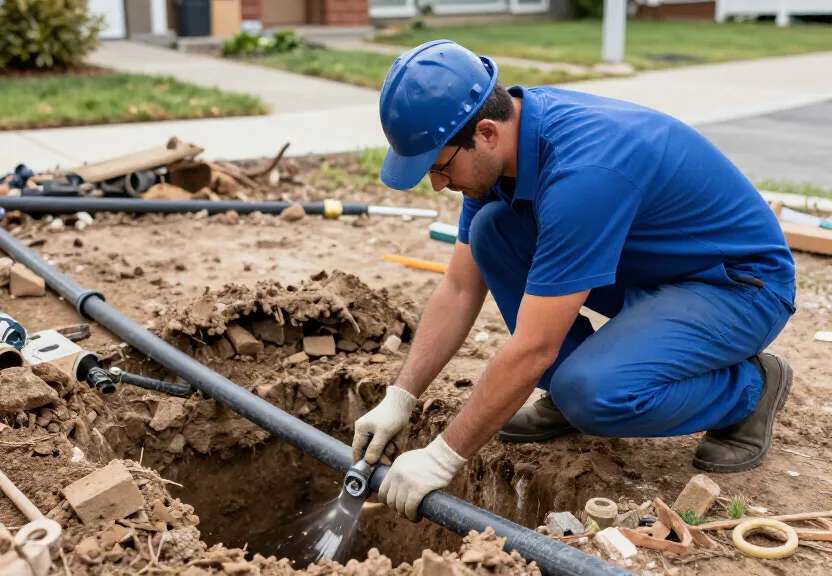
Main Water Line Repair
The service line between the meter and your home can fail from soil movement, root intrusion, corrosion or age. Pressure testing and acoustic location narrow the break to a diggable spot instead of trenching the whole yard.
Main line services:
- Underground water line leak detection
- Main line repair and replacement
- Water main location and mapping
- Pressure testing and diagnosis
- Trenchless repair options
- Emergency line response
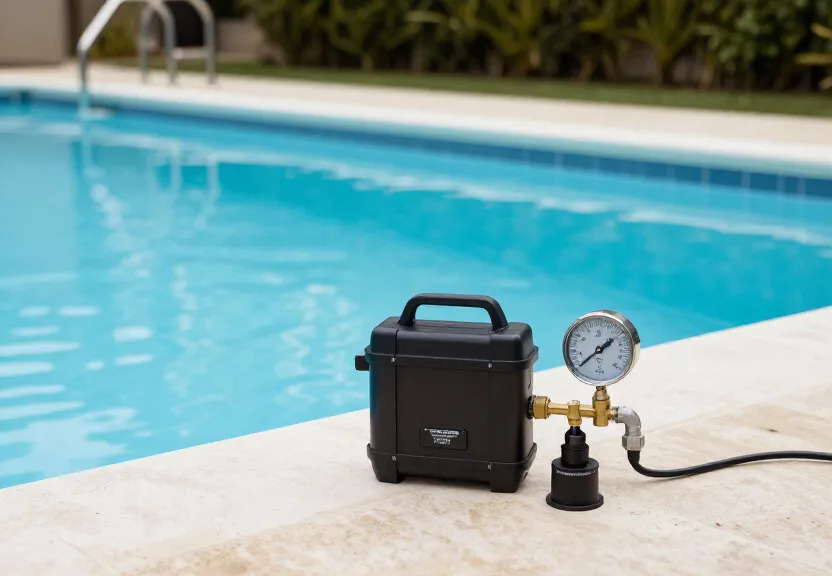
Pool & Spa Leak Detection
Losing water faster than normal evaporation can mean a crack in the shell, a failed fitting or a broken underground line. Pressure testing, dye testing and bucket tests separate the possibilities.
Pool leak services:
- Pool plumbing pressure testing
- Shell and structure inspection
- Skimmer, light and fitting checks
- Spa and hot tub leak detection
- Fountain and water feature leaks
- Repair coordination after location

Emergency Leak Service
Water damage compounds by the hour. The phone line is answered around the clock so active leaks can be triaged immediately, even when the office is closed.
Emergency support includes:
- After-hours and weekend calls
- Active leak triage
- Burst pipe response
- Water shut-off guidance
- Sewage leak referral
- Water extraction coordination
How Leaks Are Actually Found
Good detection is a process of elimination. These are the tools a specialist is likely to use, and what each one is best at.
| Method | Best for | How it works |
|---|---|---|
| Acoustic listening | Pressurized pipes in walls, slabs and yards | A sensitive microphone picks up the sound of water escaping under pressure and narrows the loudest point. |
| Thermal imaging | Hot water line leaks and slab leaks | An infrared camera shows temperature differences where warm water is escaping beneath a floor. |
| Pressure isolation | Confirming that a leak exists | Sections of plumbing are isolated and monitored to see which leg loses pressure. |
| Tracer gas | Slow or intermittent leaks | A safe gas mix is introduced into the line and detected at the surface where it escapes. |
| Moisture mapping | Walls, ceilings and subfloors | Pin-type and pinless meters map the wet area so the search starts in the right place. |
| Dye and bucket testing | Pools and spas | Water loss is measured and dye is used to trace flow paths around fittings and cracks. |
Why Professional Detection Pays for Itself
Guessing is expensive. Cutting into the wrong wall or breaking up the wrong part of a slab costs far more than locating the leak first.
Prevent water damage
An undetected leak quietly rots framing, ruins drywall and feeds mold. Finding it early keeps the repair small.
Stop paying for lost water
A running toilet or slab leak can waste thousands of gallons a month. Location and repair stop the meter from spinning.
Avoid unnecessary demolition
Pinpoint location means one small opening instead of tearing out a wall, ceiling or slab chasing the source.
Local knowledge matters
Clay soil, freeze cycles, hard water and older piping all change where leaks happen. A local specialist knows the pattern.
Three Things That Speed Up a Detection Visit
Note where you see water
Ceiling stain, floor near the water heater, baseboard in one room, or a wet patch in the yard. Location patterns tell the specialist which system to test first.
Check the meter once
Shut every fixture and appliance off, then watch the meter's leak indicator for a few minutes. If it moves, you have a supply-side leak.
Have your water bill handy
A sudden usage spike gives the specialist a timeline and helps separate a new leak from an old, slow one.