Leak Detection in Chicago, IL
Hidden water leaks, slab leaks and burst pipes across Chicago and Cook County. Connect with a local specialist who can find the source before anything is opened up.
Call (888) 239-9523Leak Detection in Chicago, Illinois
Chicago's freeze-thaw cycle is the dominant plumbing stressor. Pipes in exterior walls, unheated porches and garages are vulnerable every January, and older two-flats and bungalows often have supply lines installed decades ago. The city's housing stock includes a large share of pre-1950 buildings with galvanized and cast iron plumbing.
Lead service lines are a separate, well-documented issue in Chicago. A leak on the service line between the main and the house can show up as a soft spot in the parkway or a constant meter reading. Inside, radiator and steam systems, humidifiers and ice makers are common sources of slow leaks that go unnoticed.
Leak Services in Chicago
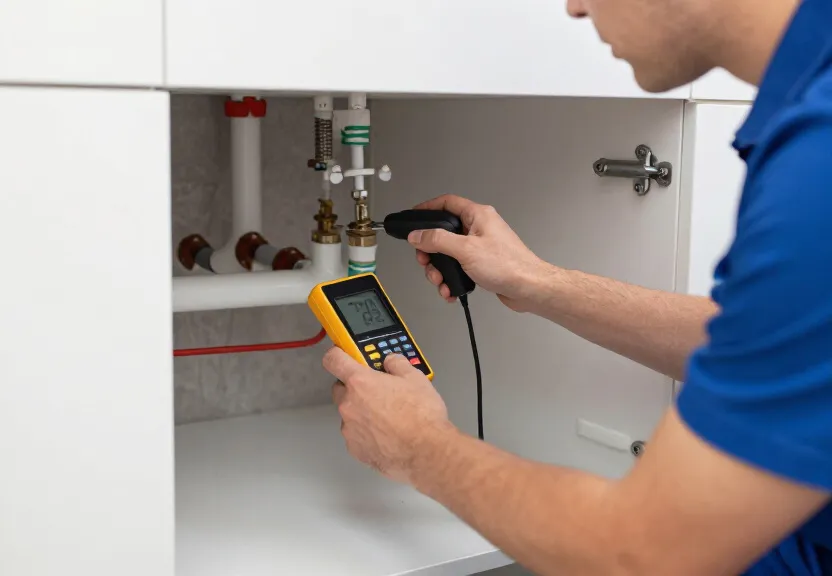
Hidden Water Leak Detection
Acoustic listening, thermal imaging and moisture meters locate leaks behind walls, under cabinets and beneath floors without exploratory demolition.
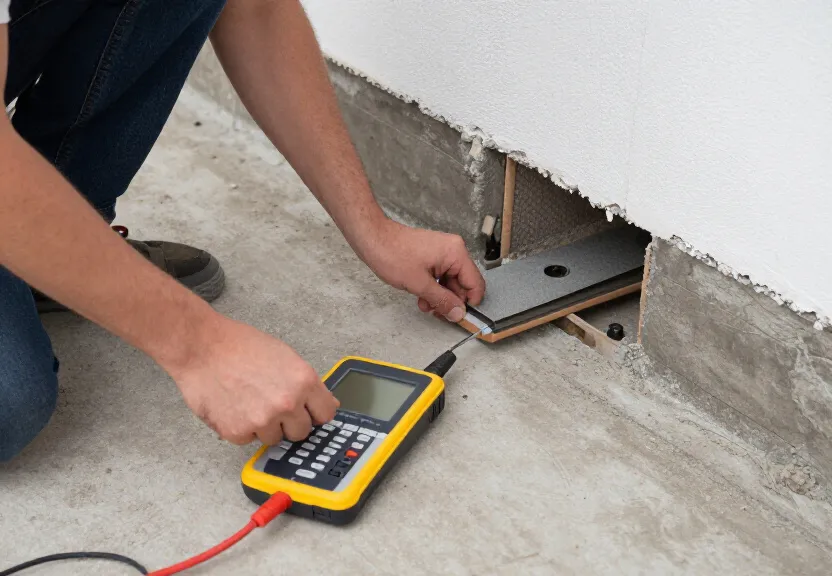
Slab Leak Detection
Warm floors, a climbing water bill or a damp slab edge can mean a leak under the foundation. Pressure isolation and thermal imaging pinpoint it before concrete is opened.
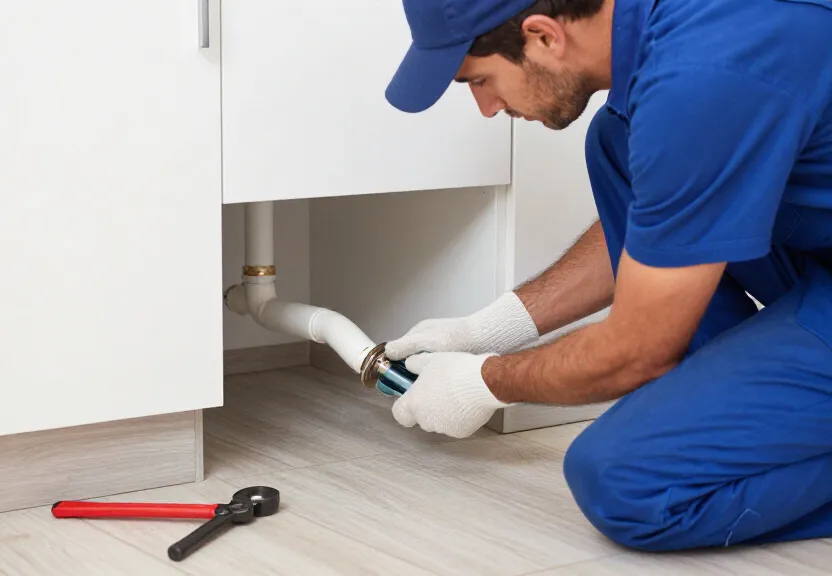
Burst Pipe & Emergency Repair
Active leaks get worse by the hour. Call the 24/7 line for shut-off guidance and a connection to the nearest available specialist.
More Leak Services in Chicago
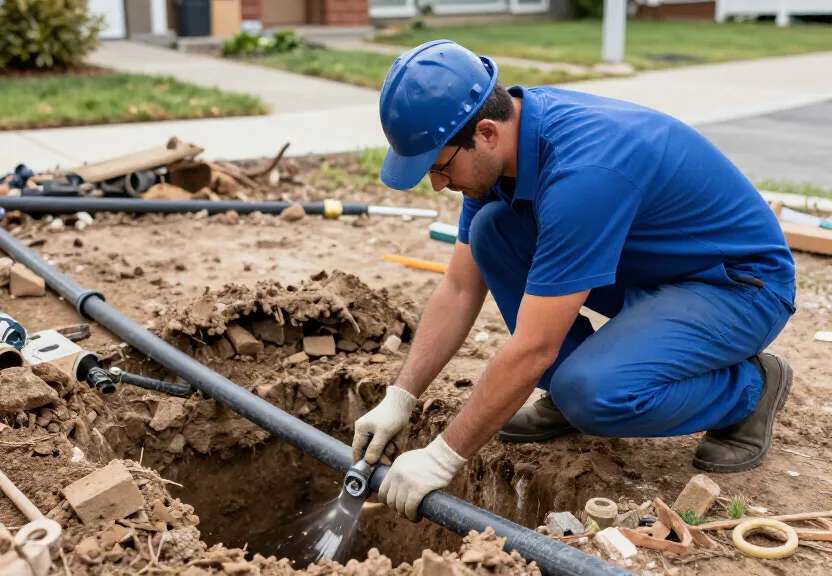
Main Water Line Leaks
Wet patches in the yard or a meter that never stops moving often point to the service line between the street and the house.
Water line repair →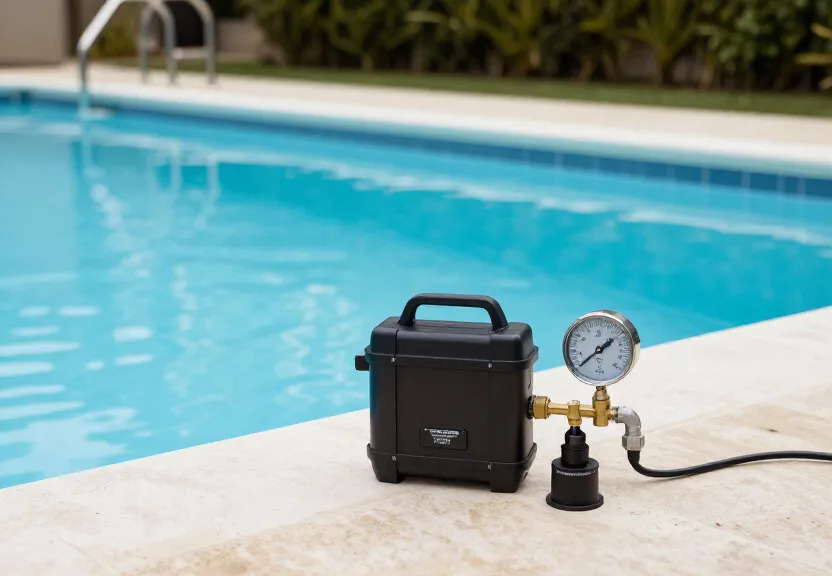
Pool & Spa Leaks
Losing more than a quarter inch of water a day? Pressure and dye testing separate evaporation from a real plumbing leak.
Pool leak detection →
24/7 Emergency Service
Water damage compounds overnight. The phone line is answered around the clock, including weekends and holidays.
Call (888) 239-9523 →Leak Detection Advice for Chicago Homeowners
In bungalows on the South and West sides, slab and crawlspace leaks are common, and basement bathrooms are frequent culprits. In lakefront high-rises, the issue is often a failed supply line in a wall cavity or a leaking riser. In greystones and two-flats, a ceiling stain on the first floor often traces to a bathroom above.
Winter calls spike after the first deep freeze. If a pipe is frozen but not split, thawing it slowly with a hair dryer is safer than an open flame. If it has already burst, shut the main off and call. Document everything for insurance before cleanup begins.
Chicago Leak Detection Questions
Keep cabinet doors open on exterior walls, maintain indoor heat, disconnect garden hoses and shut off exterior hose bibs before the first freeze. A trickle of water during extreme cold can relieve pressure in vulnerable lines.
Shut off the main valve immediately, then open a low faucet to drain the remaining water. Move valuables clear, photograph the damage and call for repair. Never use an open flame to thaw a pipe.
Lead lines can develop pinholes and joint failures, and they are a water-quality concern as well. If your service line is lead, ask the water department about testing and replacement programs.
The specialist isolates the unit or riser, checks pressure and uses acoustic equipment where accessible. Building engineering staff are usually involved because risers and common elements may be their responsibility.
The line is answered 24/7 and active bursts are prioritized. During a citywide deep freeze, demand is high, so call as soon as you notice water and shut off the supply while you wait.