Leak Detection in New York, NY
Hidden water leaks, slab leaks and burst pipes across New York and New York City. Connect with a local specialist who can find the source before anything is opened up.
Call (888) 239-9523Leak Detection in New York, New York
New York City plumbing is a study in age and density. Pre-war co-ops and walk-ups still rely on cast iron drains, galvanized risers and steam heating, while newer towers use press-fit copper and PEX. In a building with dozens of units, water from a failed riser or shower pan can travel through several floors before anyone notices.
Freeze cycles are less severe than in inland cities, but wind-driven cold still bursts exposed pipes on rooftops and in unheated spaces. The bigger issues here are age, vibration from traffic and subways, and the difficulty of reaching pipes inside masonry walls and between floors. Detection in New York often starts at the building meter and works outward.
Leak Services in New York
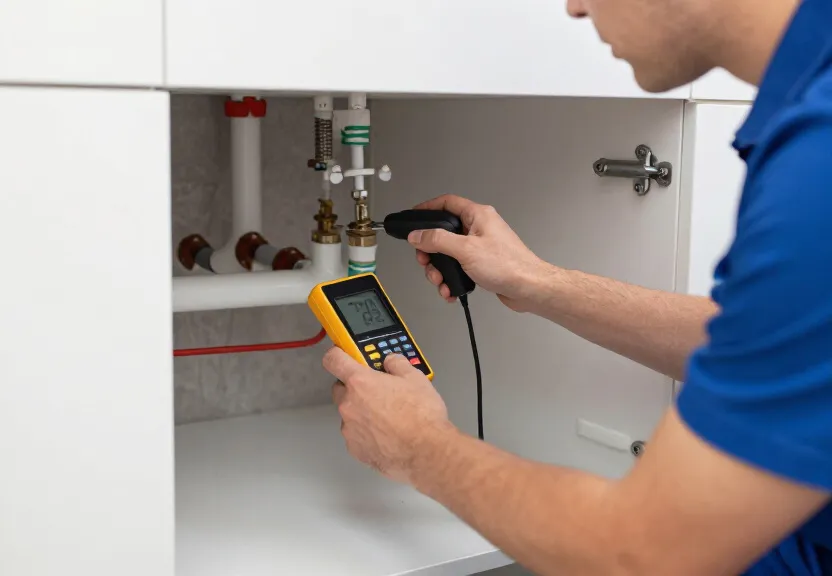
Hidden Water Leak Detection
Acoustic listening, thermal imaging and moisture meters locate leaks behind walls, under cabinets and beneath floors without exploratory demolition.
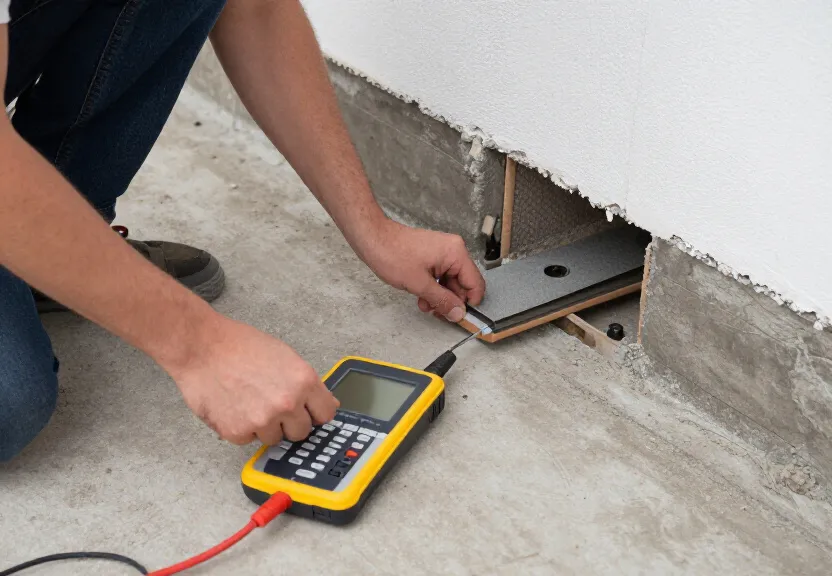
Slab Leak Detection
Warm floors, a climbing water bill or a damp slab edge can mean a leak under the foundation. Pressure isolation and thermal imaging pinpoint it before concrete is opened.
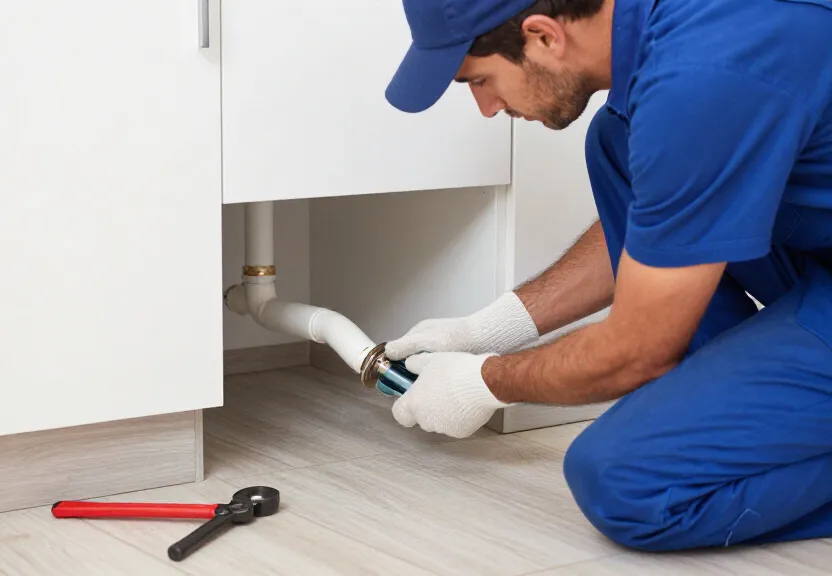
Burst Pipe & Emergency Repair
Active leaks get worse by the hour. Call the 24/7 line for shut-off guidance and a connection to the nearest available specialist.
More Leak Services in New York
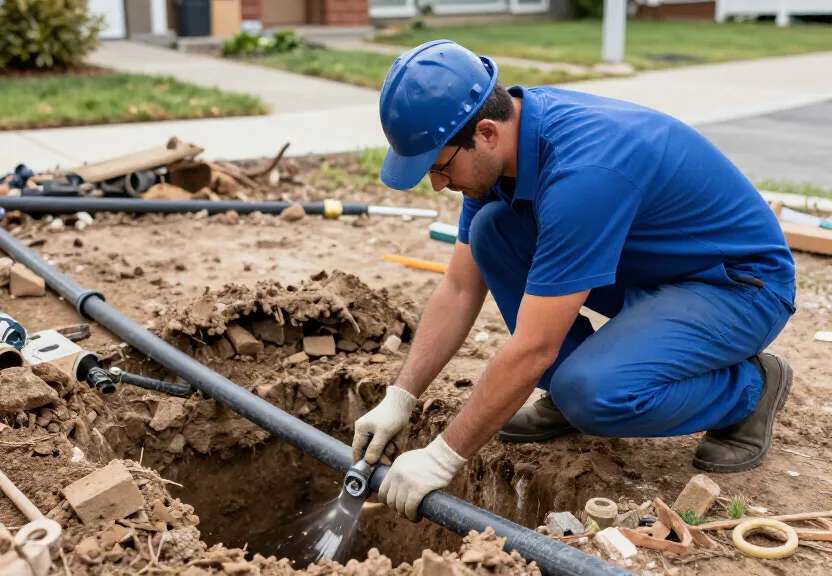
Main Water Line Leaks
Wet patches in the yard or a meter that never stops moving often point to the service line between the street and the house.
Water line repair →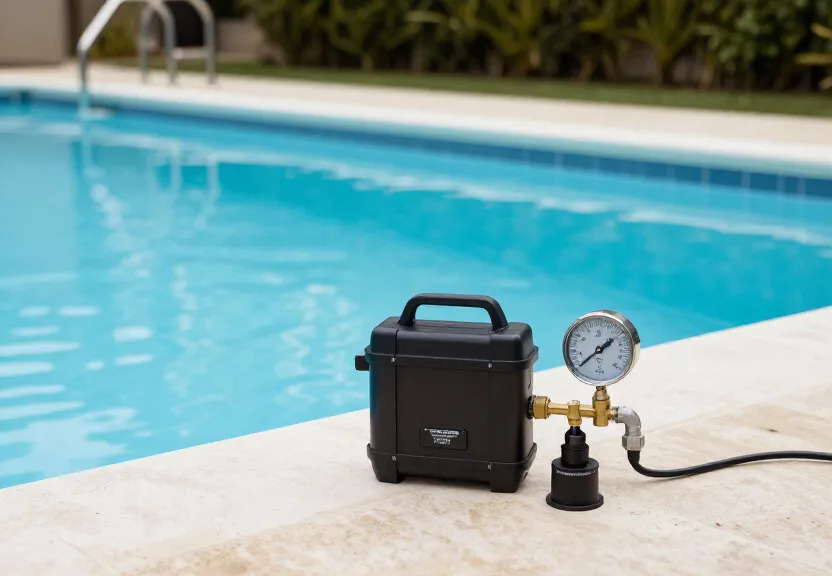
Pool & Spa Leaks
Losing more than a quarter inch of water a day? Pressure and dye testing separate evaporation from a real plumbing leak.
Pool leak detection →
24/7 Emergency Service
Water damage compounds overnight. The phone line is answered around the clock, including weekends and holidays.
Call (888) 239-9523 →Leak Detection Advice for New York Homeowners
In Manhattan apartments, a stain on a neighbor's ceiling is often the first sign. In Brooklyn and Queens rowhouses, leaks in front-yard service lines and rear extensions are common. On Staten Island, slab and crawlspace homes behave more like suburban properties. Each building type calls for a different approach.
Co-op and condo boards should document the leak with photos, dates and meter readings before calling, because responsibility often depends on where the leak sits relative to common elements. A written detection report that identifies the failed component is useful for both the repair and the insurance claim.
New York Leak Detection Questions
It depends on where the failed component sits. Lines inside a unit's walls are often the shareholder's responsibility, while risers and common elements may belong to the building. A written detection report identifying the component helps clarify it.
Yes. Acoustic listening, thermal imaging and moisture mapping narrow the search before any opening is made. In masonry buildings, the specialist may also use a borescope through a small access point.
Water travels along pipes, joists and masonry. By the time a ceiling stain appears, the source is often one or two floors above. Detection works upward from the visible damage rather than assuming the room above is at fault.
In older buildings, yes. Valve packing, radiator unions and condensate lines can weep slowly through the heating season. A radiator that needs constant refilling usually has a leak somewhere in the loop.
The phone line is answered 24/7. Response depends on borough, building access and technician availability. Active leaks that threaten multiple units should be reported to the building superintendent at the same time.