Leak Detection in Phoenix, AZ
Hidden water leaks, slab leaks and burst pipes across Phoenix and Maricopa County. Connect with a local specialist who can find the source before anything is opened up.
Call (888) 239-9523Leak Detection in Phoenix, Arizona
Phoenix combines extreme heat, caliche-hard soil and high mineral content in the water — a difficult environment for plumbing. Supply lines expand and contract through summer temperature swings, pressure in some neighborhoods runs high, and hard water scales the inside of pipes and fixtures. Pools and irrigation systems add thousands of feet of underground line that can fail quietly.
Most Valley homes sit on slab foundations, so a supply leak beneath the floor has nowhere to drain. It wicks into the slab and flooring, which is why warm tiles or a persistent damp spot matter here. Older central Phoenix and Tempe neighborhoods still have galvanized or early copper lines, while newer builds on the edges of the Valley more often fail at fittings, hose bibs and irrigation connections.
Leak Services in Phoenix
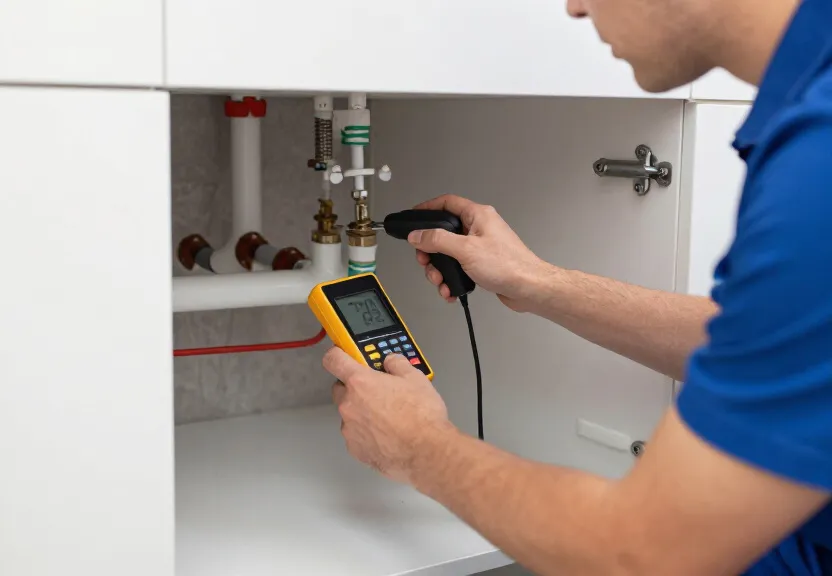
Hidden Water Leak Detection
Acoustic listening, thermal imaging and moisture meters locate leaks behind walls, under cabinets and beneath floors without exploratory demolition.
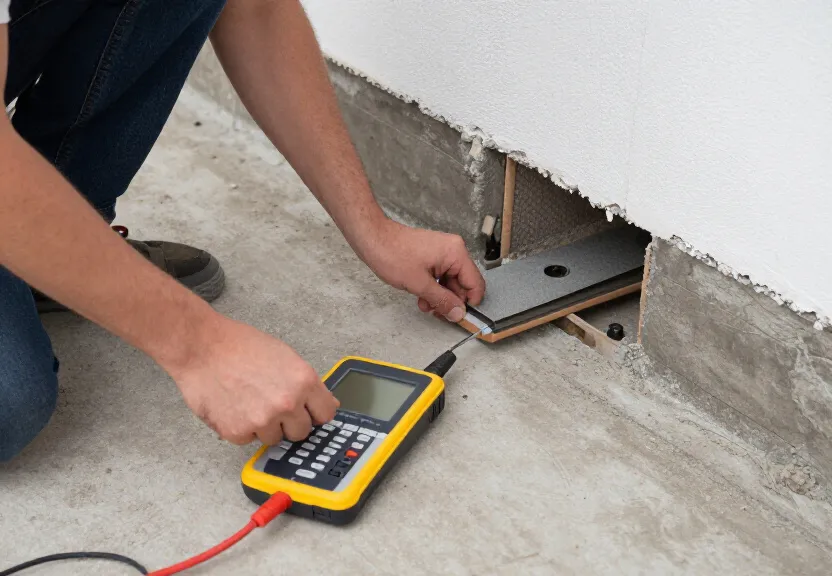
Slab Leak Detection
Warm floors, a climbing water bill or a damp slab edge can mean a leak under the foundation. Pressure isolation and thermal imaging pinpoint it before concrete is opened.
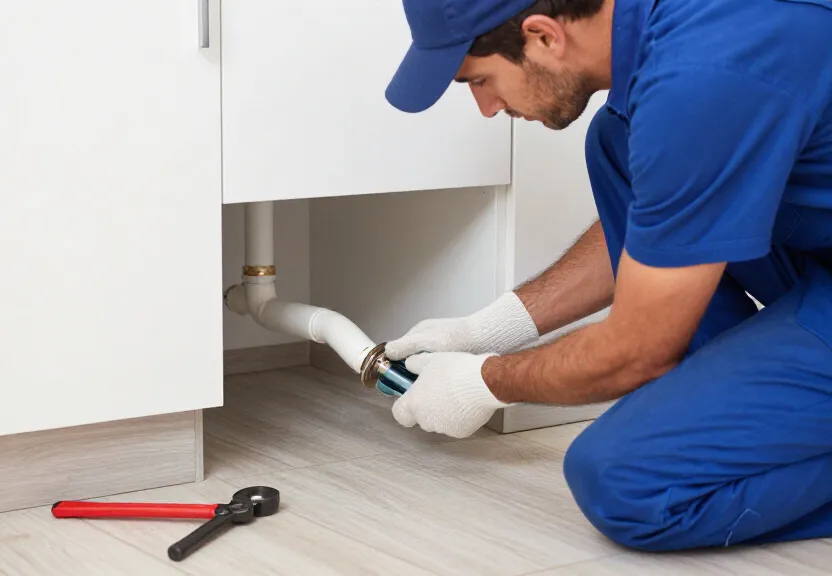
Burst Pipe & Emergency Repair
Active leaks get worse by the hour. Call the 24/7 line for shut-off guidance and a connection to the nearest available specialist.
More Leak Services in Phoenix
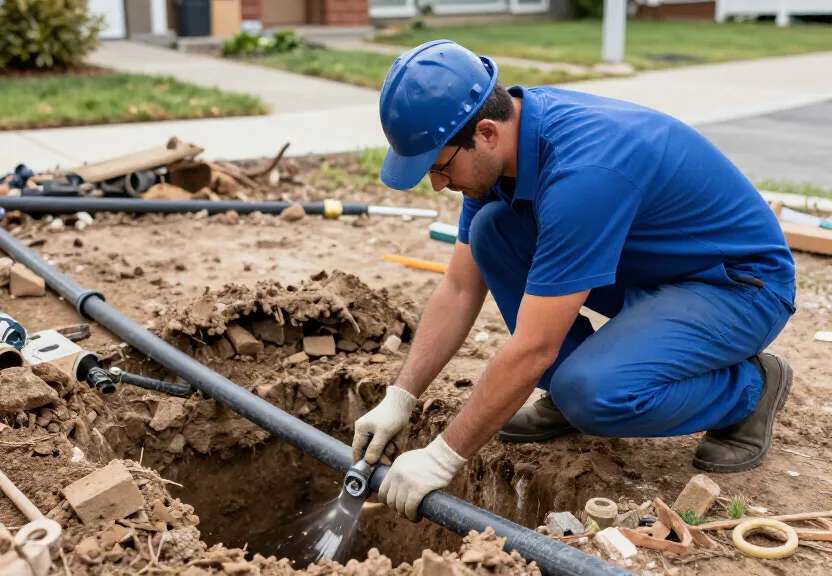
Main Water Line Leaks
Wet patches in the yard or a meter that never stops moving often point to the service line between the street and the house.
Water line repair →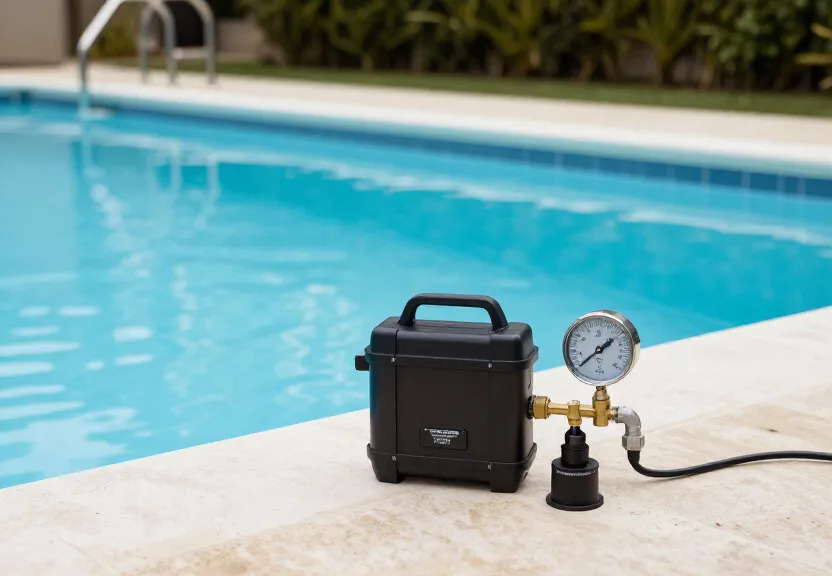
Pool & Spa Leaks
Losing more than a quarter inch of water a day? Pressure and dye testing separate evaporation from a real plumbing leak.
Pool leak detection →
24/7 Emergency Service
Water damage compounds overnight. The phone line is answered around the clock, including weekends and holidays.
Call (888) 239-9523 →Leak Detection Advice for Phoenix Homeowners
In Scottsdale, Paradise Valley and north Phoenix, pool and spa plumbing is a common source of unexplained water loss. In Mesa, Chandler and Glendale, irrigation lines and backyard hose bibs fail from sun exposure and soil movement. Inside the home, water heater connections, angle stops under sinks and toilet flappers are the usual suspects before a slab leak is involved.
A good first check in Phoenix is the water meter at night, when irrigation is off and nobody is using water. If the leak indicator moves, shut the irrigation valve and check again. That single step tells you whether the loss is inside the house or in the yard and saves time on the detection visit. Thermal imaging is especially effective on sun-warmed slabs because a hot-water leak leaves a clear signature.
Phoenix Leak Detection Questions
Hard water leaves mineral scale inside pipes, water heaters and fixtures. Scale narrows flow, raises pressure at joints and shortens the life of water heaters. It does not cause a leak by itself, but it accelerates the wear that leads to pinholes and fitting failures.
Evaporation in Phoenix can be significant, but consistent loss of more than a quarter inch a day points to a leak. Pressure testing the pool plumbing, dye testing the shell and checking the skimmer and light niches separates evaporation from a real failure.
It can. Pressure above the normal residential range stresses fittings, supply hoses and appliance connections. A pressure-reducing valve that has failed is a common cause. Ask the specialist to measure pressure at an outdoor hose bib during the visit.
Yes. Thermal imaging works well when the slab is warm because a hot-water line leak creates a distinct temperature pattern. Acoustic equipment and pressure isolation are used to confirm the location before any concrete is opened.
Most residential inspections take one to three hours. Pool and irrigation systems add time because they must be isolated and tested separately. The specialist should explain what was tested and what was found before recommending a repair.