Leak Detection in Houston, TX
Hidden water leaks, slab leaks and burst pipes across Houston and Harris County. Connect with a local specialist who can find the source before anything is opened up.
Call (888) 239-9523Leak Detection in Houston, Texas
Houston's Gulf Coast setting means high humidity, a shallow water table and long stretches of heavy rain. The soil across much of Harris County is clay-rich and moves with moisture, while older neighborhoods sit on slab foundations with cast iron drain lines that have been in the ground for decades.
Subsidence is a real factor in parts of the metro. As the ground settles unevenly, pipes that were once straight can shear at the joints. Add hurricane-season flooding and the occasional freeze, and Houston properties see both sudden bursts and slow hidden leaks. Because the water table is high, a slab leak may appear as a damp patch that never dries rather than a dramatic puddle.
Leak Services in Houston
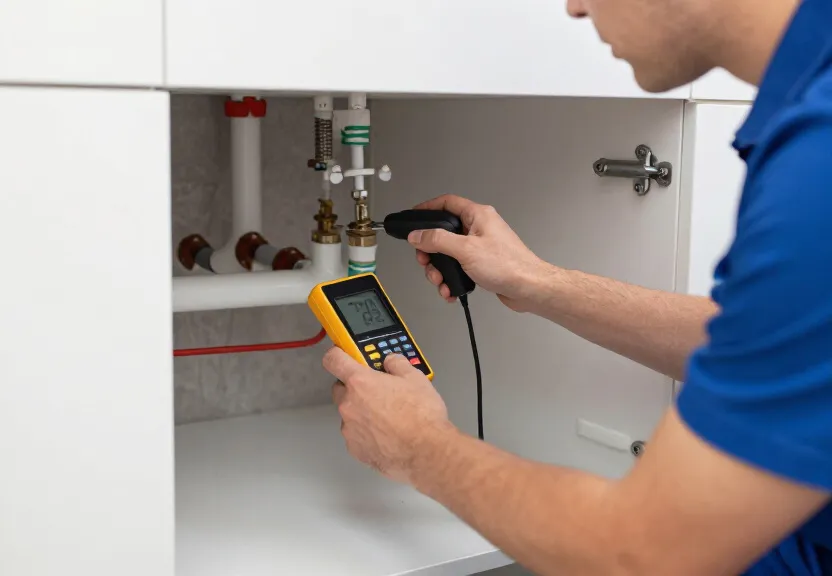
Hidden Water Leak Detection
Acoustic listening, thermal imaging and moisture meters locate leaks behind walls, under cabinets and beneath floors without exploratory demolition.
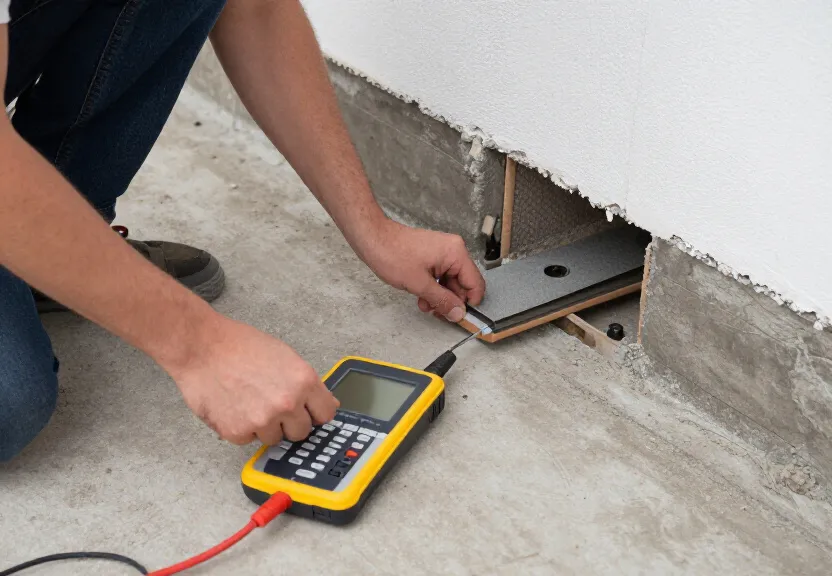
Slab Leak Detection
Warm floors, a climbing water bill or a damp slab edge can mean a leak under the foundation. Pressure isolation and thermal imaging pinpoint it before concrete is opened.
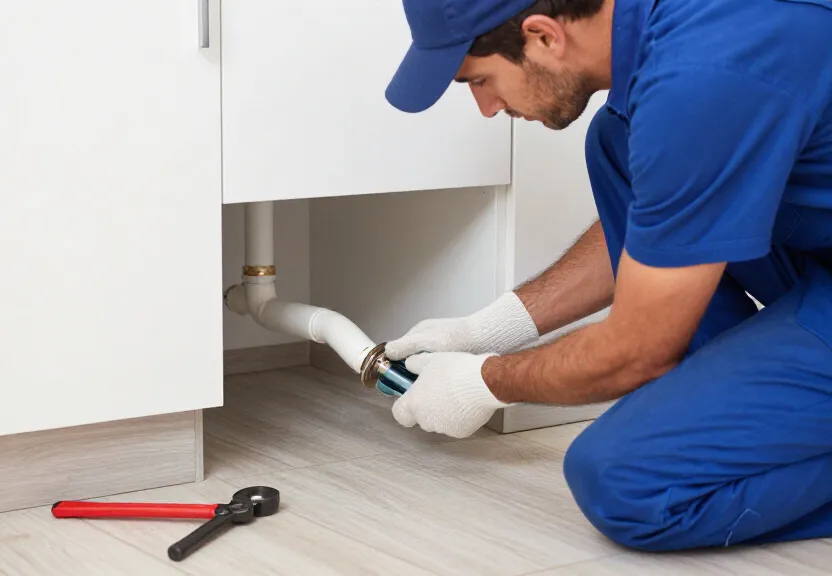
Burst Pipe & Emergency Repair
Active leaks get worse by the hour. Call the 24/7 line for shut-off guidance and a connection to the nearest available specialist.
More Leak Services in Houston
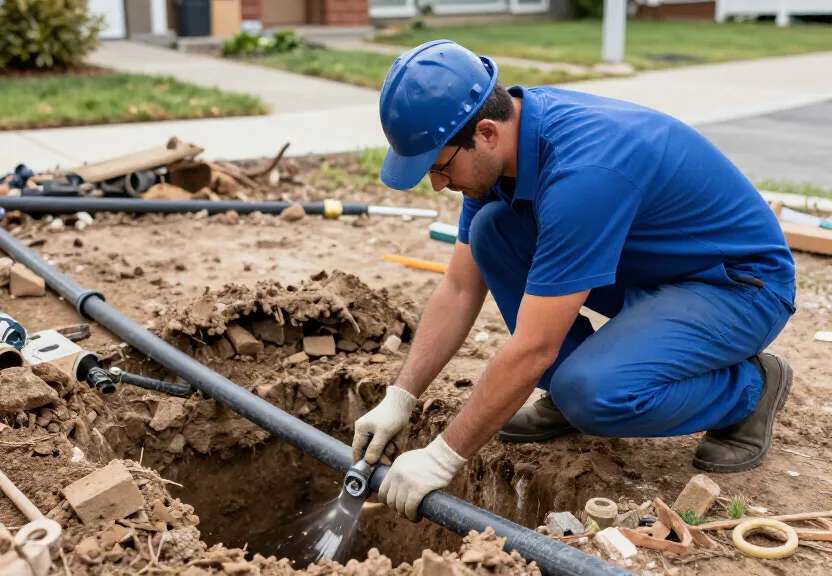
Main Water Line Leaks
Wet patches in the yard or a meter that never stops moving often point to the service line between the street and the house.
Water line repair →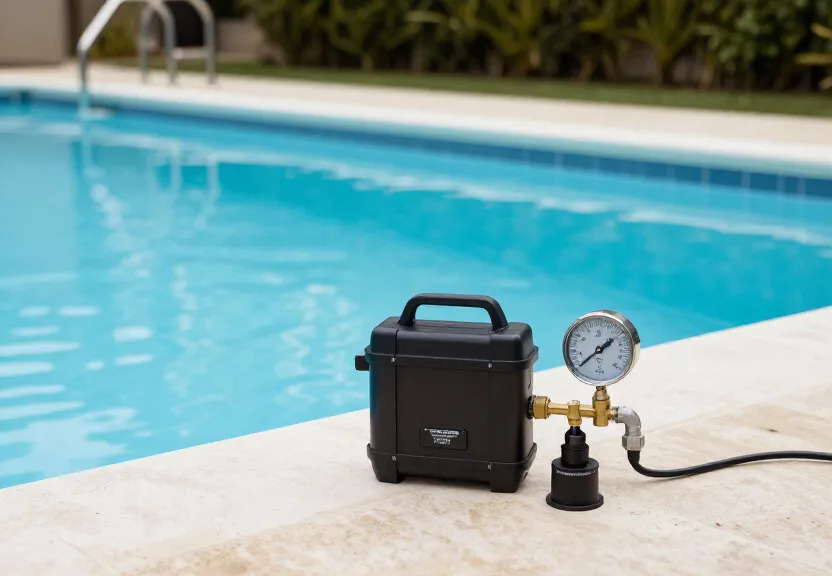
Pool & Spa Leaks
Losing more than a quarter inch of water a day? Pressure and dye testing separate evaporation from a real plumbing leak.
Pool leak detection →
24/7 Emergency Service
Water damage compounds overnight. The phone line is answered around the clock, including weekends and holidays.
Call (888) 239-9523 →Leak Detection Advice for Houston Homeowners
In Heights bungalows and mid-century ranch homes inside the Loop, galvanized supply lines and cast iron drains are common. A pinhole leak in a galvanized line can drip for months inside a wall cavity before the drywall shows it. In newer suburbs such as Katy and Pearland, irrigation systems and pool plumbing are frequent sources — and the leak may be entirely outside the house.
Houston homeowners should watch for musty odors in a hallway, carpet that feels cold or damp, and a water bill that climbs without explanation. Pool owners should mark the waterline and measure loss over 24 hours; more than a quarter inch a day, once normal evaporation is accounted for, is worth testing. Detection here often starts by isolating the irrigation system, then the pool, then the household supply.
Houston Leak Detection Questions
Clay soil movement, a high water table and aging cast iron or galvanized pipe all contribute. Subsidence in parts of Harris County adds uneven ground movement, which stresses joints. A leak that starts as a pinhole can run for months beneath a slab before it surfaces.
Mark the waterline, run the pump on its normal schedule and measure loss over 24 hours. More than about a quarter inch a day, after allowing for evaporation and splash-out, suggests a leak. A bucket test on the deck gives a more reliable comparison.
It can. Floodwater moves soil, undermines slabs and can shift buried lines. Homes that went through repeated flooding sometimes develop joint failures months later. If your bill rises after a flood event, have the system pressure-tested.
In most cases, yes. Specialists isolate hot and cold lines, listen through the floor and use thermal imaging to find the point of loss. Demolition is limited to the repair area once the leak has been located.
Your ZIP code, where you see or smell water, whether the meter is moving, and whether the leak is active right now. A recent water bill with usage history is also useful for spotting the start of the problem.