Leak Detection in Dallas, TX
Hidden water leaks, slab leaks and burst pipes across Dallas and Dallas County. Connect with a local specialist who can find the source before anything is opened up.
Call (888) 239-9523Leak Detection in Dallas, Texas
Dallas sits on the Blackland Prairie, where expansive clay soil swells after rain and shrinks through the summer heat. That constant cycle flexes the ground beneath slab foundations and puts steady stress on buried supply lines. Add triple-digit summers and the occasional hard freeze, and pipes that were already aging get pushed toward failure.
A large share of Dallas housing dates from the 1950s through the 1980s, when cast iron drains and galvanized supply pipes were standard. Those materials corrode from the inside, narrowing flow and eventually pitting through. Newer builds in Uptown and the northern suburbs use copper or PEX, but slab movement and high water pressure still create joint failures. Because most Dallas homes sit on concrete slabs, a leak can run for weeks before water ever reaches the surface.
Leak Services in Dallas

Hidden Water Leak Detection
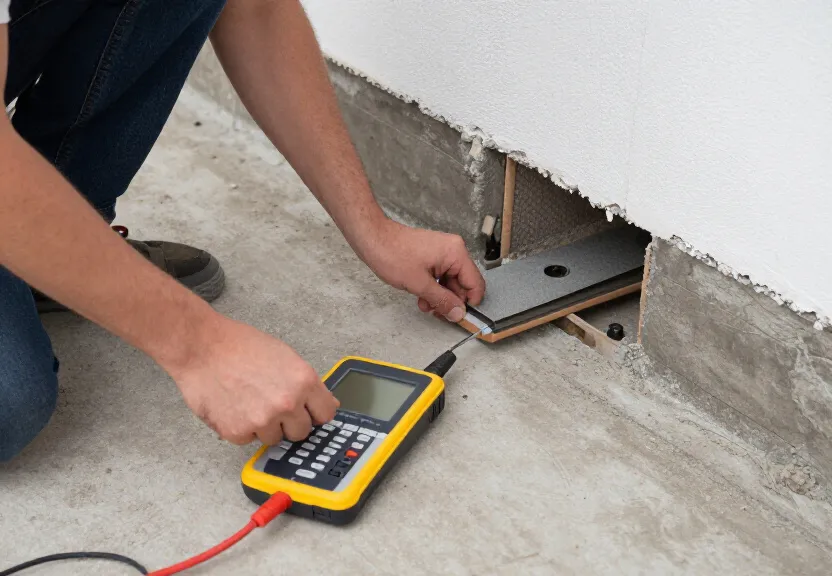
Acoustic listening, thermal imaging and moisture meters locate leaks behind walls, under cabinets and beneath floors without exploratory demolition.
Slab Leak Detection
Warm floors, a climbing water bill or a damp slab edge can mean a leak under the foundation. Pressure isolation and thermal imaging pinpoint it before concrete is opened.

Burst Pipe & Emergency Repair
Active leaks get worse by the hour. Call the 24/7 line for shut-off guidance and a connection to the nearest available specialist.
More Leak Services in Dallas
Main Water Line Leaks
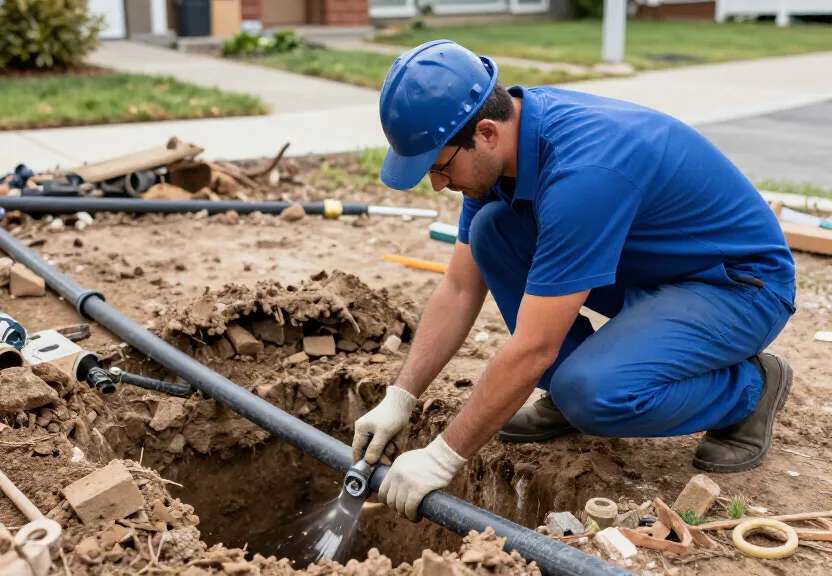
Wet patches in the yard or a meter that never stops moving often point to the service line between the street and the house.
Water line repair →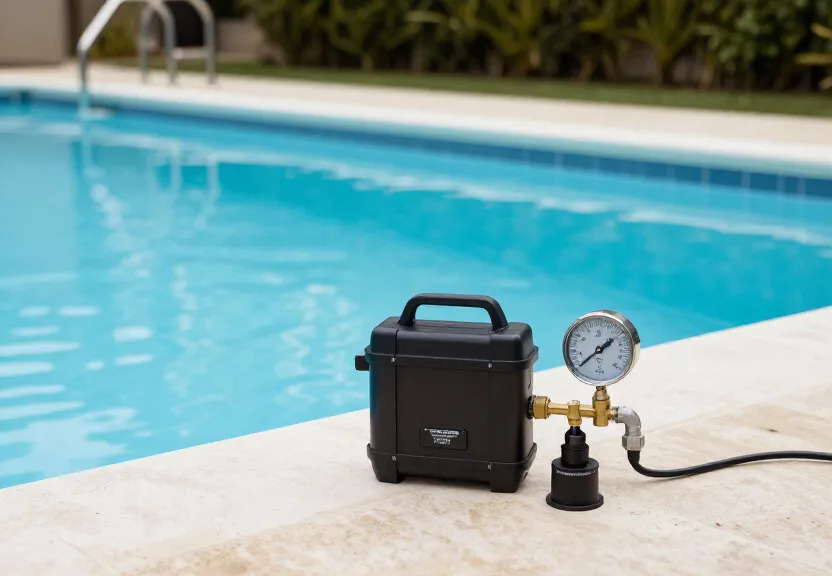
Pool & Spa Leaks
Losing more than a quarter inch of water a day? Pressure and dye testing separate evaporation from a real plumbing leak.
Pool leak detection →
24/7 Emergency Service
Water damage compounds overnight. The phone line is answered around the clock, including weekends and holidays.
Call (888) 239-9523 →Leak Detection Advice for Dallas Homeowners
Neighborhoods such as East Dallas, Oak Cliff and Lakewood have a high concentration of post-war slab homes, where a warm spot on tile or a suddenly climbing water bill is often the first clue. In older areas, cast iron drain lines under the slab can fail independently of the supply lines, which is why detection should identify which system is losing water before any concrete is opened.
Watch for a water meter that keeps ticking after every fixture is off, baseboards that stain beside a bathroom wall, or a patch of lawn that stays green while the rest dries out. Dallas Water Utilities customers can compare consumption on the bill against the same month last year — a jump without new landscaping is worth investigating. If the leak is under the slab, acoustic listening and thermal imaging can usually narrow it to a small area before anyone cuts.
Dallas Leak Detection Questions
Expansive clay swells when wet and shrinks in drought, so the ground under a slab moves constantly. That movement flexes pipes, stresses joints and can shear a line. Dallas homes on post-war slabs are especially vulnerable because the plumbing is encased in or directly beneath concrete.
Shut off every fixture and appliance, then watch the meter's leak indicator. If it moves, you have a supply-side leak. Note the reading and call a leak specialist — the pattern of usage helps narrow down whether the loss is indoors, in the yard or in the irrigation system.
Yes. Acoustic microphones, thermal imaging and pressure isolation are used first to locate the leak. Once the point is identified, a small access opening is made only where the repair is needed, rather than breaking up an entire room.
The phone line is answered 24 hours a day, and urgent calls are triaged first. Actual arrival time depends on your part of the metro, traffic and technician availability. Call and describe whether the leak is active so the dispatcher can prioritize it.
Shut off the main water valve if water is actively flowing, move valuables away from the area and photograph any damage. Avoid using electrical outlets or appliances in standing water. If water is near a panel, treat it as an emergency.