Leak Detection in Honolulu, HI
Hidden water leaks, slab leaks and burst pipes across Honolulu and Honolulu County. Connect with a local specialist who can find the source before anything is opened up.
Call (888) 239-9523Leak Detection in Honolulu, Hawaii
Honolulu's plumbing deals with salt air, volcanic and coral-based soils, and a housing mix that ranges from single-wall plantation-era cottages to high-rise condominiums. Corrosion is accelerated by the marine environment, and older galvanized lines can fail from the inside out.
Water is expensive here, so a continuous leak shows up on the bill quickly. The challenge is access: many homes are on raised foundations or slabs, and condos share risers and walls. Detection often starts at the building meter and then works unit by unit.
Leak Services in Honolulu
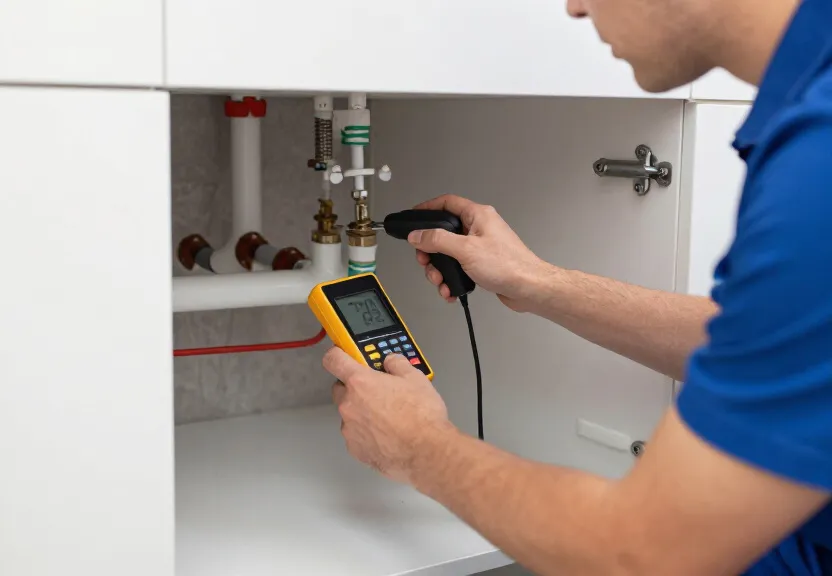
Hidden Water Leak Detection
Acoustic listening, thermal imaging and moisture meters locate leaks behind walls, under cabinets and beneath floors without exploratory demolition.
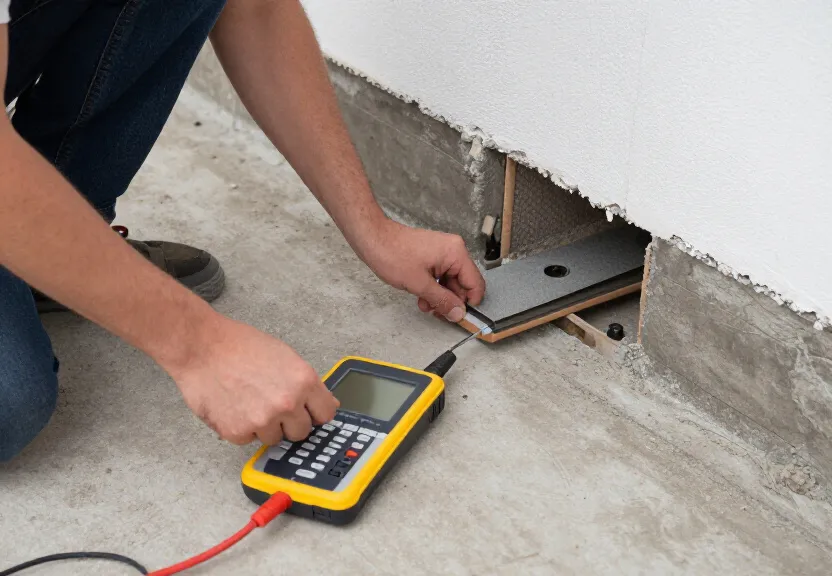
Slab Leak Detection
Warm floors, a climbing water bill or a damp slab edge can mean a leak under the foundation. Pressure isolation and thermal imaging pinpoint it before concrete is opened.
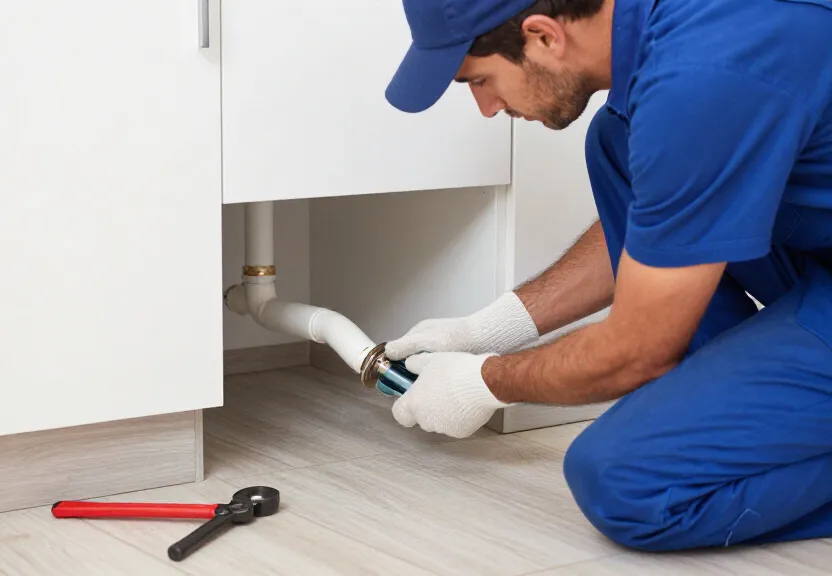
Burst Pipe & Emergency Repair
Active leaks get worse by the hour. Call the 24/7 line for shut-off guidance and a connection to the nearest available specialist.
More Leak Services in Honolulu
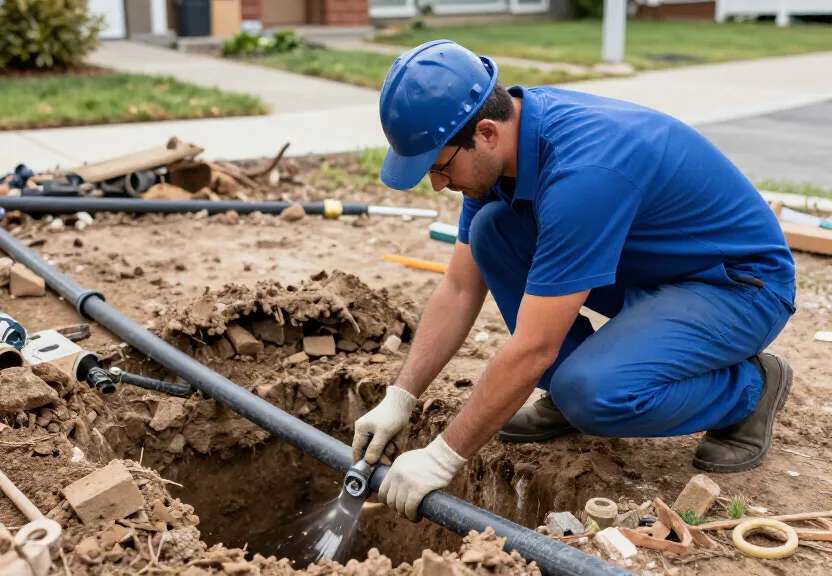
Main Water Line Leaks
Wet patches in the yard or a meter that never stops moving often point to the service line between the street and the house.
Water line repair →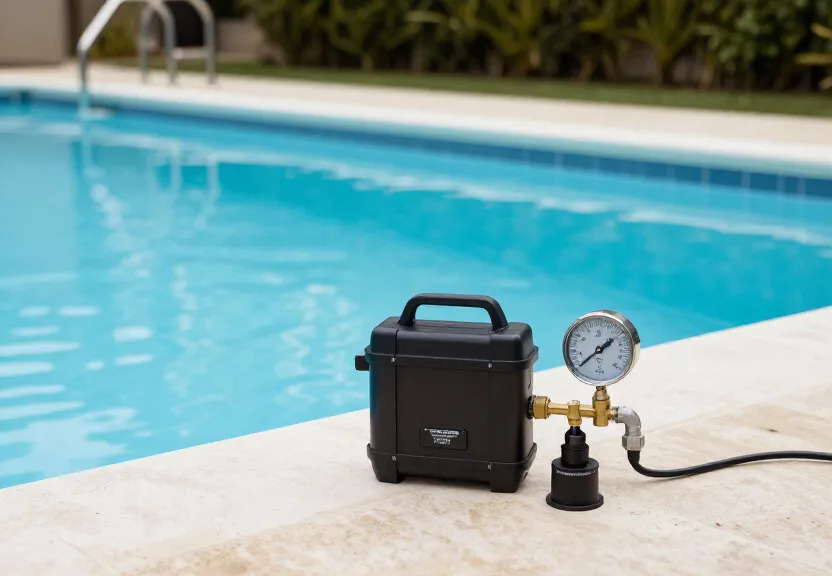
Pool & Spa Leaks
Losing more than a quarter inch of water a day? Pressure and dye testing separate evaporation from a real plumbing leak.
Pool leak detection →
24/7 Emergency Service
Water damage compounds overnight. The phone line is answered around the clock, including weekends and holidays.
Call (888) 239-9523 →Leak Detection Advice for Honolulu Homeowners
In older neighborhoods such as Kaimuki, Kapahulu and Manoa, single-wall construction and mature landscaping can hide a leak in a wall or under a raised floor. In Waikiki and Ala Moana high-rises, a failed supply line in a bathroom wall can affect several units below.
For condos, document the leak and notify the association early — responsibility often depends on whether the failure is inside the unit or on a common riser. For homes, check the meter at night and inspect the water heater pan and irrigation system first.
Honolulu Leak Detection Questions
Salt air and humid conditions accelerate corrosion on metal fittings and exposed pipe. Older galvanized lines can rust from the inside, which reduces flow and eventually causes pinholes.
It depends on where the failed component sits. Lines inside the unit are usually the owner's responsibility, while risers and common elements belong to the association. A written detection report helps assign responsibility.
Look under the house for damp soil, staining on joists or standing water. Then check the meter with all fixtures off. A moving meter confirms a supply leak rather than rainwater.
Not always. Irrigation, pool fill and guests can raise usage. But a bill that stays high with normal habits usually means a continuous loss somewhere on the property.
Most homes take one to three hours. Condos can take longer because access to risers and neighboring units may be required.